

Researchers at the University of Toronto have found that Toronto’s Don River carries a staggering amount of microplastic pollution into Lake Ontario — over 500 billion particles each year, equal to about 36,000 kilograms, or the weight of 18 cars.
The new study shows how litter from city streets travels through rivers to wetlands, lakes and oceans, ultimately affecting the health of ecosystems downstream.
As Canada’s most urbanized watershed, the Don River is a key case study for understanding how rivers contribute to plastic pollution. The findings could help improve global models that estimate how much waste rivers carry to other water bodies and inform strategies to reduce pollution.

“From past clean-ups and trash-tracking projects, we expected to find a lot of waste in the Don for this study — but we were shocked by the numbers,” says Chelsea Rochman, an associate professor in the Department of Ecology & Evolutionary Biology in the Faculty of Arts & Science at the University of Toronto and study co-author.
“The amount of plastic pollution is significantly higher than what we’ve seen in similar rivers in the U.S., like the Chicago River in Illinois and the Ipswich River in Massachusetts.”
Microplastics — fragments smaller than five millimetres originating from sources such as broken-down single-use plastics, sewage, stormwater and road dust — made up most of the debris flowing through the river.
By comparison, the researchers counted over 20,700 macroplastics — plastic items bigger than five millimetres — which is equal to about 160 kilograms.
Plastic grocery bags and wet wipes were the most common products, accounting for 20 and 22 per cent of macroplastics respectively, suggesting that policies limiting their use could reduce pollution. Among the more unusual discoveries were discarded metal safes, likely dumped from bridges.
The study also showed that microplastics are more likely to flow out of the Don River and into Lake Ontario, while larger plastic items tend to stay trapped in the river system.
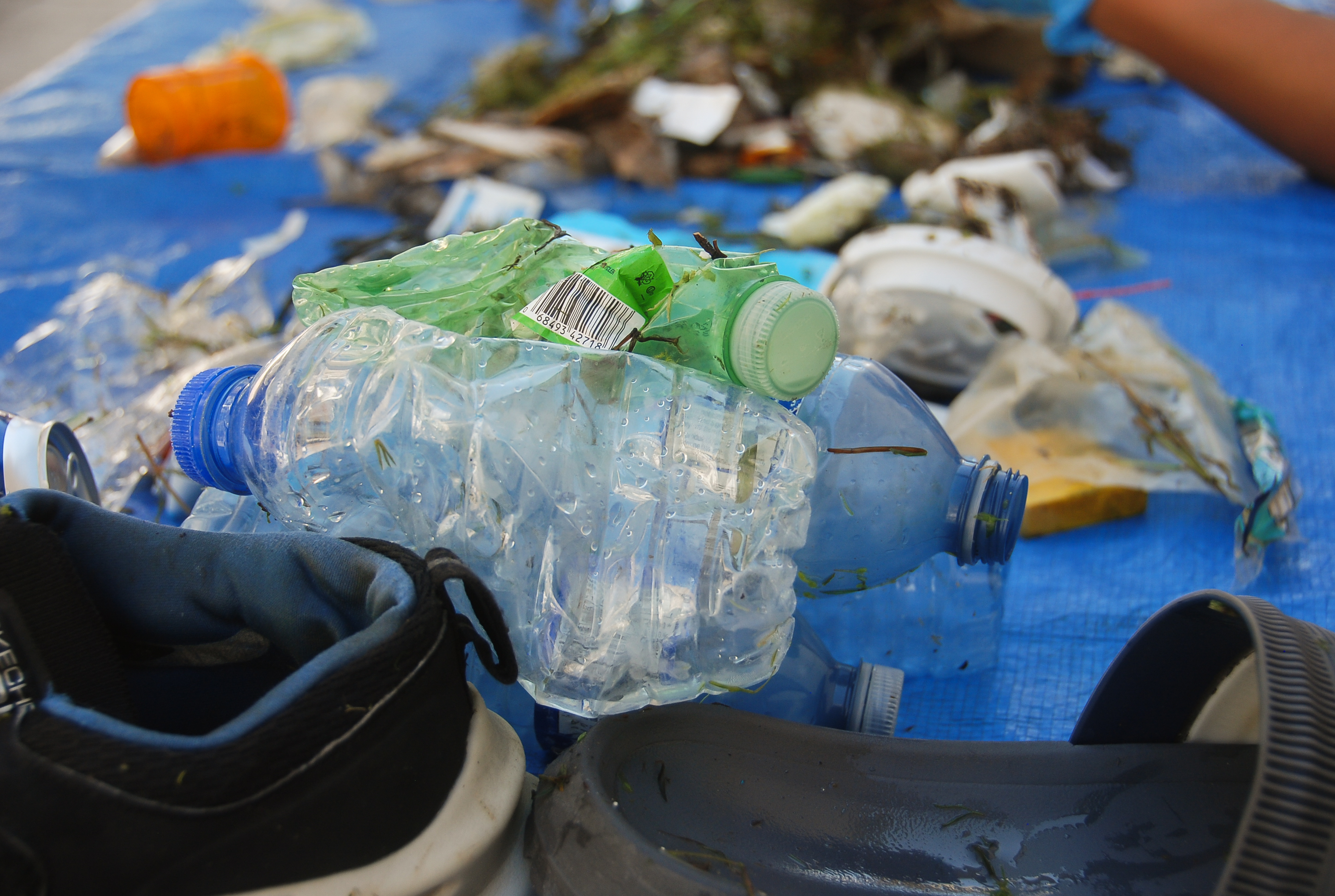
“Rivers aren’t just channels carrying trash into our lakes and oceans — they are habitats where mammals, fish and insects are directly exposed to plastics,” says Jacob Haney, a PhD candidate in the Department of Ecology & Evolutionary Biology at the University of Toronto and lead author of the study.

“This exposure can disrupt feeding, growth and survival, with ripple effects on resources humans rely on, like clean water, food and recreation.”
To understand how plastics move through the Don River system, the research team measured plastic concentrations before, during and after storms at four locations: near the river mouth where it empties into Lake Ontario, in the middle of the river and in two smaller streams that feed into it. While storms are known to carry sediment, nutrients and contaminants into rivers, the study found that they also transport large amounts of plastic debris.
During storms, the same amount of plastic that enters the river also exits with the higher water flow. This shows city streets are a constant source of plastic — suggesting that if we turn off the tap of pollution, the river can naturally recover over time.
To prevent litter from entering rivers and other aquatic ecosystems, the researchers say that reducing single-use plastics has a major impact. In Toronto, policies designed to curb the use of plastic grocery bags and wet wipes could cut plastic litter in waterways by up to 42 per cent. They also recommend that the city installs traps on storm drains, improves waste collection to limit litter leaking from trucks and bins and more strongly enforces anti-dumping regulations.

On an individual level, the research team encourages the proper disposal of waste — for example, putting wet wipes in the trash instead of flushing them — and participation in community clean-ups, such as those organized by the U of T Trash Team, which promotes waste literacy, and Don’t Mess with the Don, which works to restore the Don Valley.
“To reduce the impact of plastic pollution, we need to first know where it’s coming from, and then how it’s travelling through the environment,” says Haney. “Take wet wipes, one of the biggest culprits we found — from the decision to buy and use them, to how they’re disposed of, to where they end up.
“Individual choices and targeted local policies can make a real difference in curbing plastic pollution.”